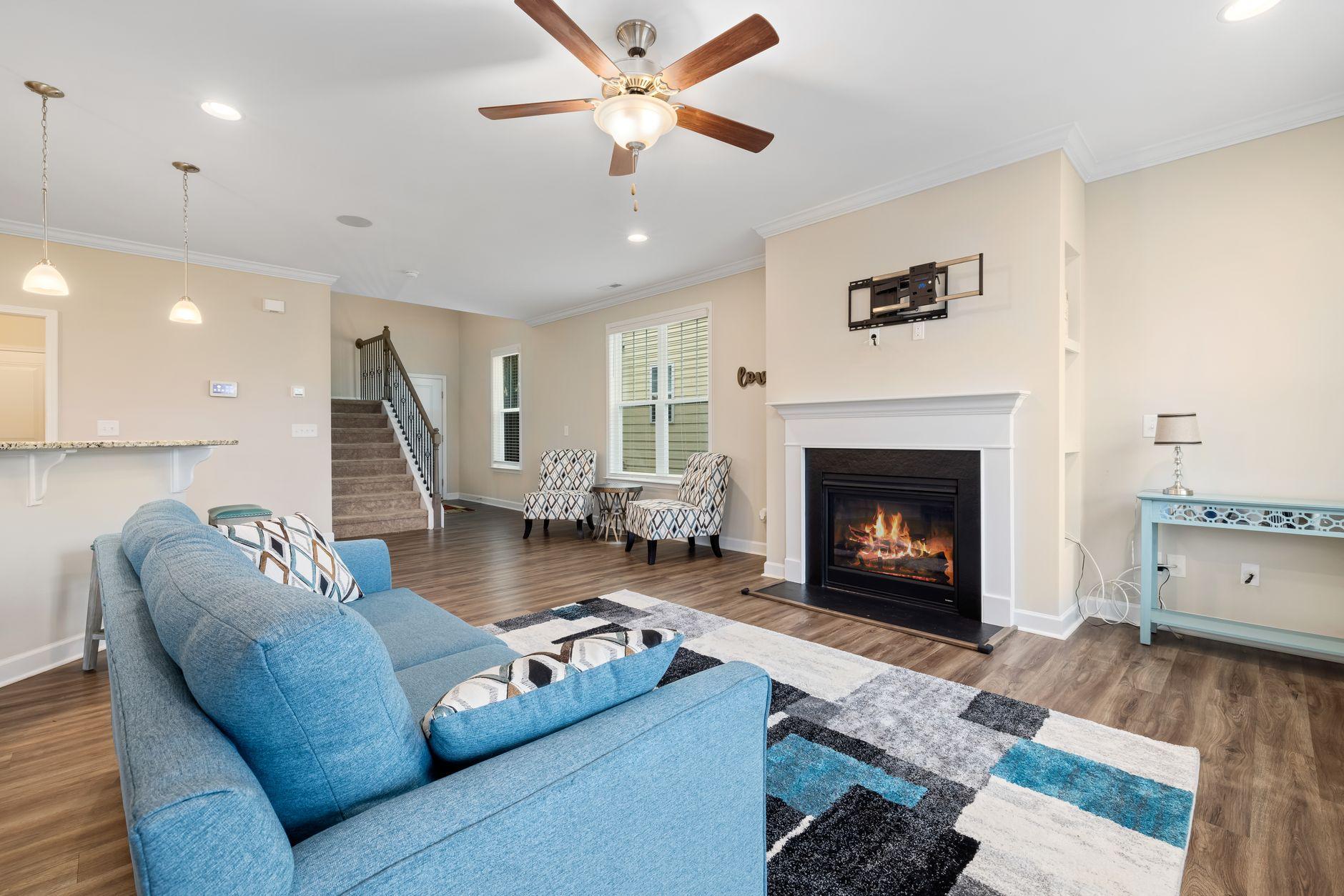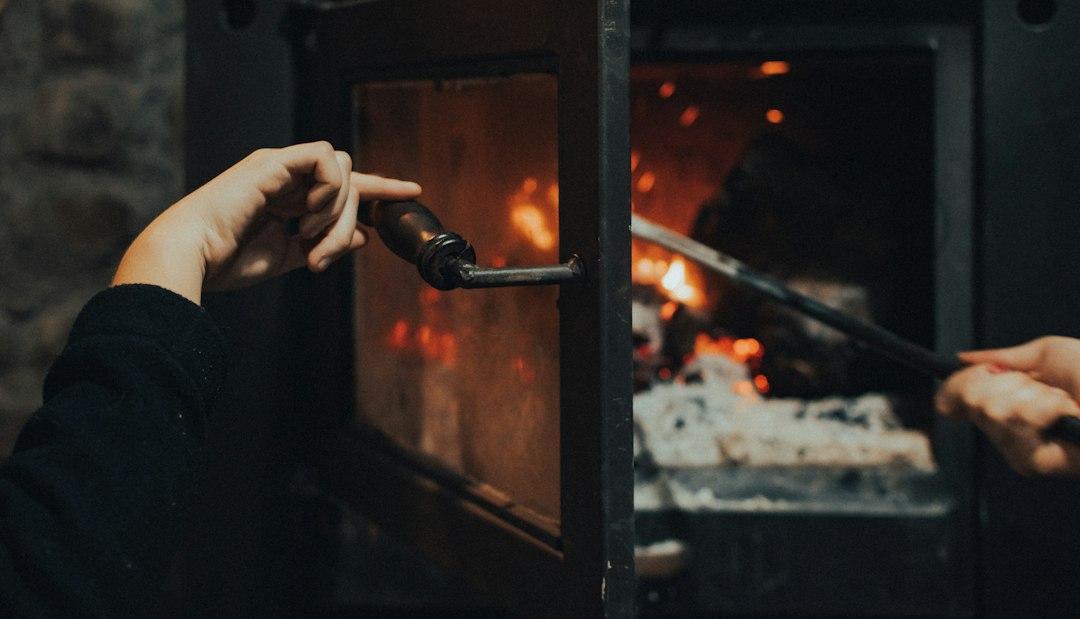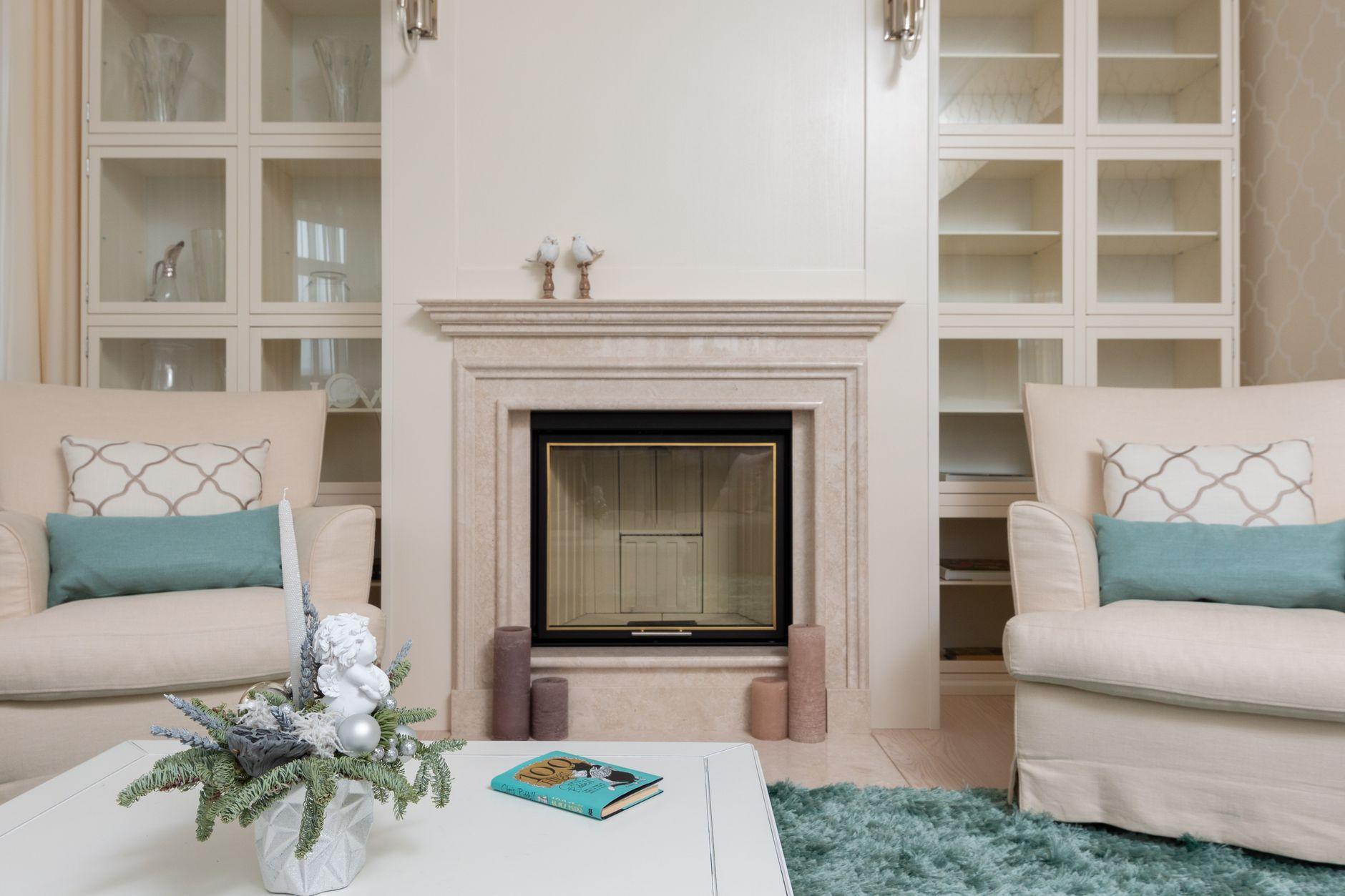

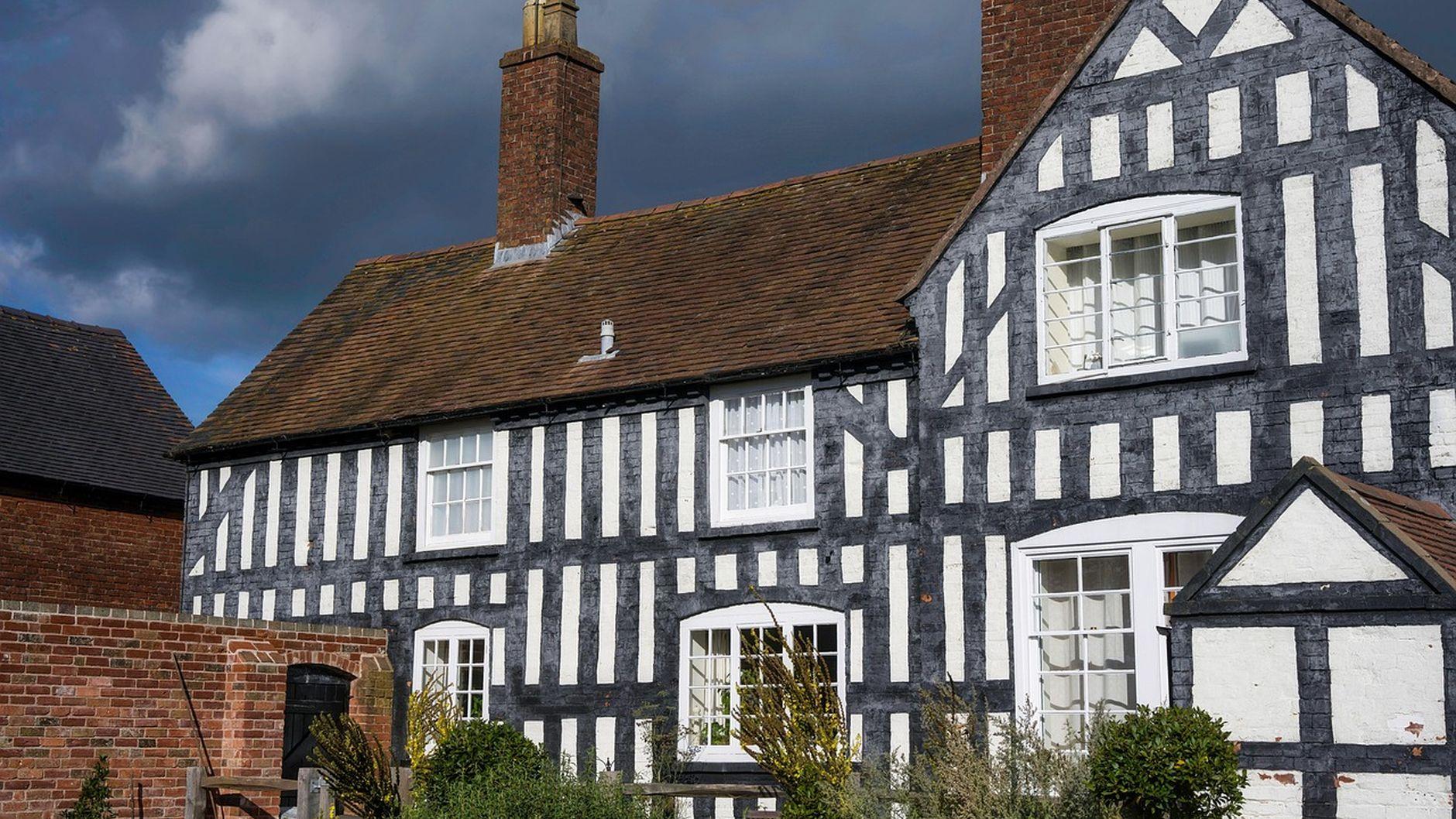
The job touches gas, brick and the roof
A gas conversion pulls together three trades that rarely share a truck. Someone has to work on gas piping, someone has to understand the masonry and the flue, and someone has to climb onto the roof and seal a new cap. In Laguna Hills, owners sometimes hire one person for the appliance and discover halfway through that nobody owns the chimney part. This post is a hiring guide for that moment: what a fair quote for a gas fireplace job contains, what to listen for on the first visit, and where Calvert Chimney Services fits.
We will not tell you to hire us no matter what. We will tell you what any installer should be able to show you, and you can hold us to the same list.
A visit before a figure
A real quote for an insert, a log set or a sealed wall unit cannot be written from a photo of the living room. The installer needs to measure the opening, look up the flue, find where gas reaches the house and check the top of the chimney. If someone quotes the whole job over the phone, either the number will move later or parts of the job are not in it.
On our own visits the work goes in this order. We look at the firebox and measure it. We put a light or a camera up the flue. We find the gas meter and the nearest line. We go up on the roof if it is safe to walk. Then we sit down with you and talk through which options the house allows.
What a written quote should list
A quote you can compare with another one breaks the job into parts. At a minimum it should say:
- the make and model of the unit, or the log set and burner size
- the vent: what kind, how long, and what sits at the top
- the gas work: whether the existing line is reused, extended or replaced
- any masonry or roof work needed before the install
- the trim or surround, and whether refacing is included
- whether a city permit is needed and who arranges it
When two quotes differ by a lot, these lines usually explain why. One installer may have left out the vent cap. Another may have priced a gas line the other assumed was already there.
The chimney half of the job
Here is where conversions go wrong most often. The appliance installer sets the unit and connects the gas, but nobody checks whether the old flue can carry exhaust or hold a vent. A cracked clay tile, a crown that has broken apart, or a smoke chamber full of loose mortar can turn a new log set into a carbon monoxide risk.
Ask any installer how they will check the flue before the work. A good answer names a camera, not a flashlight. If they plan to vent an insert up the chimney, ask what happens at the top: who fits the cap, and how the vent is sealed to it.
Calvert starts every conversion with a look inside the flue. When the chimney has not had a camera through it, that look is a Level 2 inspection at $415, and the report becomes part of the quote.
Prices you can check against
We publish our main figures so a homeowner in Laguna Hills or Mission Viejo can compare. A sealed insert in the fireplace you have is $2,950 to $5,950. A sealed gas fireplace built into a new wall is $4,750 to $9,550. A new cap on the flue is quoted after we measure the flue. Flue count, cap size and metal decide the price. Log sets vary too widely by style to give one figure, so we price them once you have seen the samples.
If a quote from anyone, us included, falls far outside those ranges, ask what is in it and what is left out. Our post on insert costs shows what moves a job within the band.
Book a visit with the right details
Fill in the form with the kind of fire you want and whether the house has gas at the fireplace now, and we will come out, measure, look up the flue and send a written quote that lists each part.
Signs to slow down
A few things on a first visit suggest you should get another opinion:
- no one looks inside the flue
- the quote has one line and one number
- the installer suggests skipping the permit for gas work
- an unvented log set is offered for a home in California
- the old damper is left free to close over a burning log set
Spotting one rarely points to bad faith. It points to someone treating the job as an appliance swap when it is really a change to how the house breathes.
After the install
Ask what you will be handed when the work is finished. We give owners the unit manual, a note of the gas pressure and flame check, photos of the vent at the top of the chimney and, where a permit was needed, the city's final sign-off. That bundle matters when you sell, when you file an insurance claim, and when someone else services the unit years later.
Ask, too, who to call when the pilot will not stay lit next winter. A gas fireplace repair visit from the people who fitted the unit is simpler, because they already know the vent run and the gas line.
If you are also redoing the room
Many conversions come with a new look: a fresh surround, a new mantel, stone in place of painted brick. If that is part of your plan, tell the installer up front, because the trim around an insert and the fireplace remodel have to be planned together. Fitting the insert first and refacing later often means pulling the trim and starting over.
For the full side-by-side of the gas options, read gas logs, insert or sealed unit. When you want a Calvert quote to put next to the others, start on the contact page.
Want Figures for Your Own Fireplace?
Calvert Chimney Services measures the opening, checks the flue and writes up each gas option with its own price. Work covers Laguna Hills and the cities on our areas page, and nothing starts until you have read the quote.